War in 2026: The New Paradigm Shaking Global Markets, Oil, and Gold.
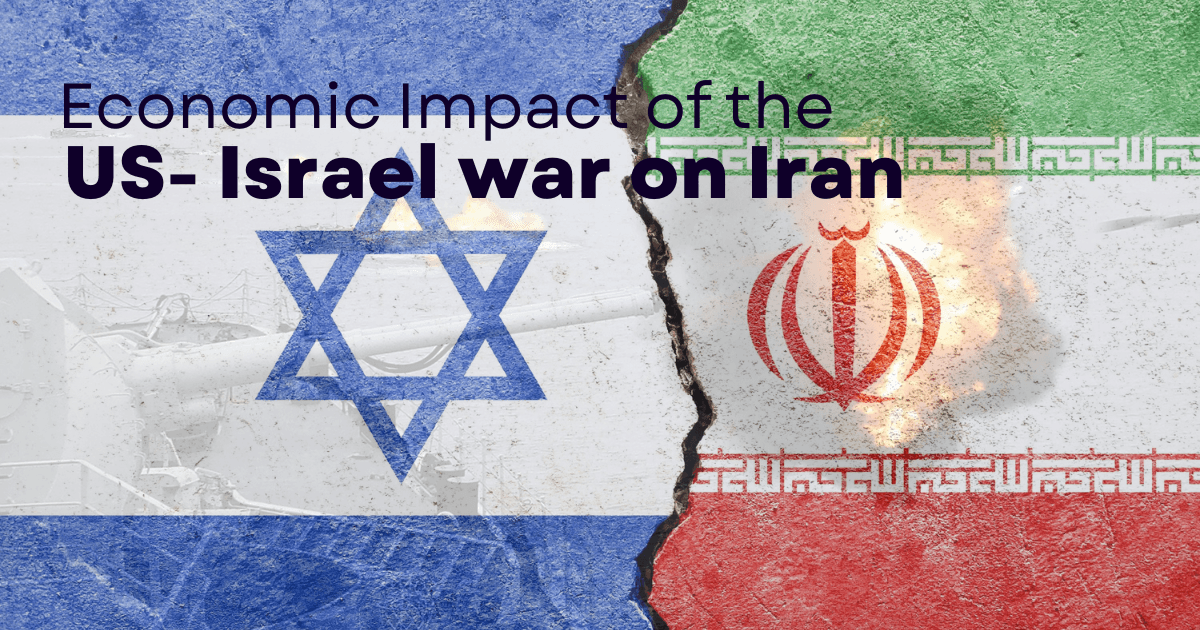
As of March 9, 2026, the global financial landscape is experiencing a severe tremor, driven by the escalating U.S.-Israel-Iran conflict. Geopolitical tensions have ceased to be mere headlines and have become the primary drivers of market volatility, reshaping commodity prices and investor strategies.
Here is a breakdown of the latest effects of the conflict on global markets as of early March 2026.
1. Oil Prices: The Strait of Hormuz Threat
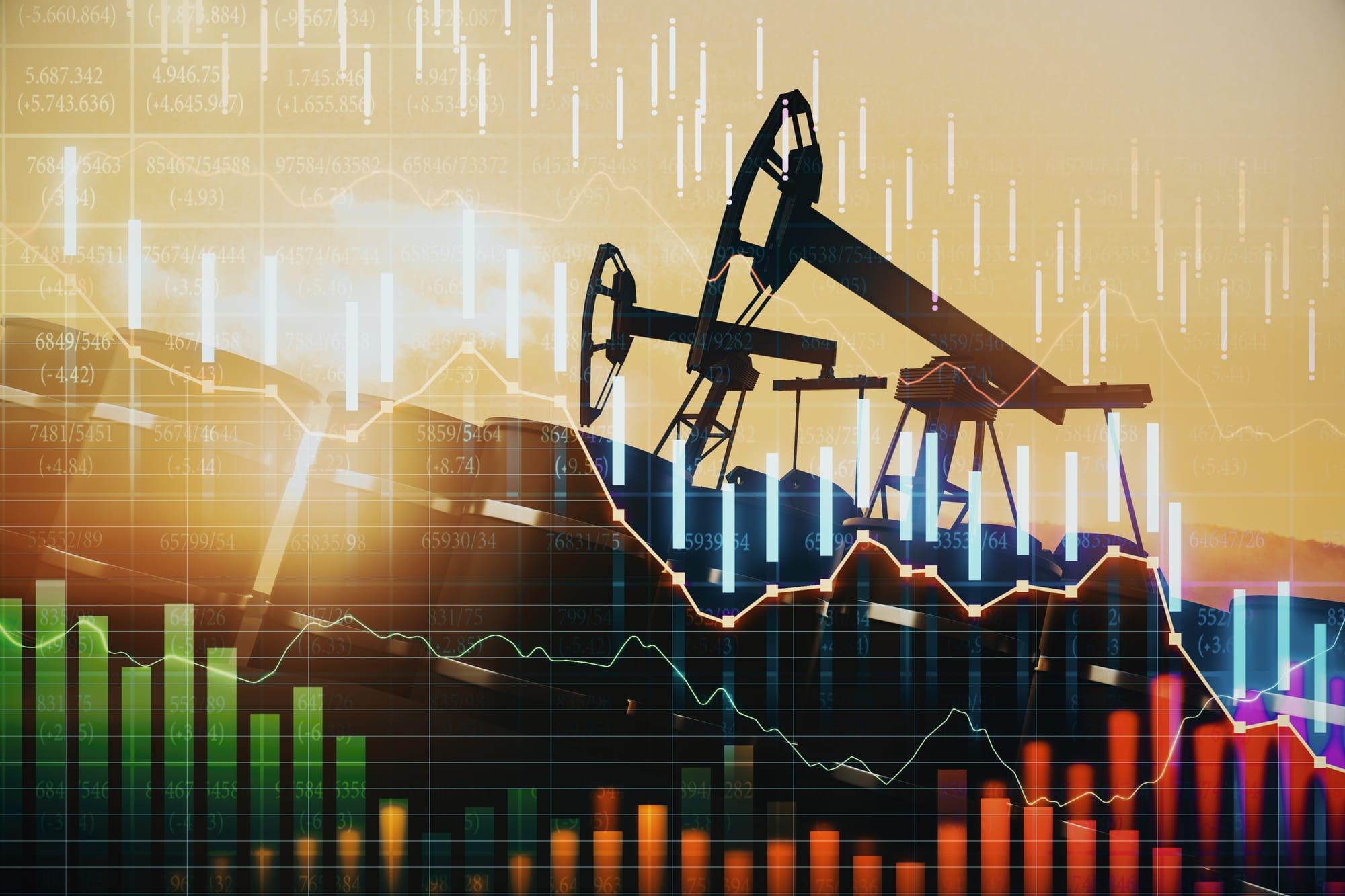
The most immediate and profound impact of the current Middle East conflict is on energy markets. With the conflict intensifying, fears of supply disruptions in the Strait of Hormuz—a vital passage handling nearly one-fifth of the global oil supply—have caused prices to skyrocket.
- Brent Crude Surge: International benchmark oil prices surged more than 20% on Sunday, the first time prices have eclipsed $100 since 2022.
- Intraday Peaks: Prices briefly topped $114 per barrel as of March 9, 2026. As of 02:30 GMT, the benchmark was hovering around $107.50.
- Supply Shock: Iran has brought shipping in the Strait of Hormuz to an effective halt in retaliation for U.S. and Israeli strikes. Analysts warn that global supplies are currently falling approximately 20 million barrels per day short.
- Regional Risk: Iran’s Revolutionary Guard Corps (IRGC) has threatened that prices could soar to $200 a barrel if military actions continue.
2. Gold: The "Safe Haven" Under Pressure
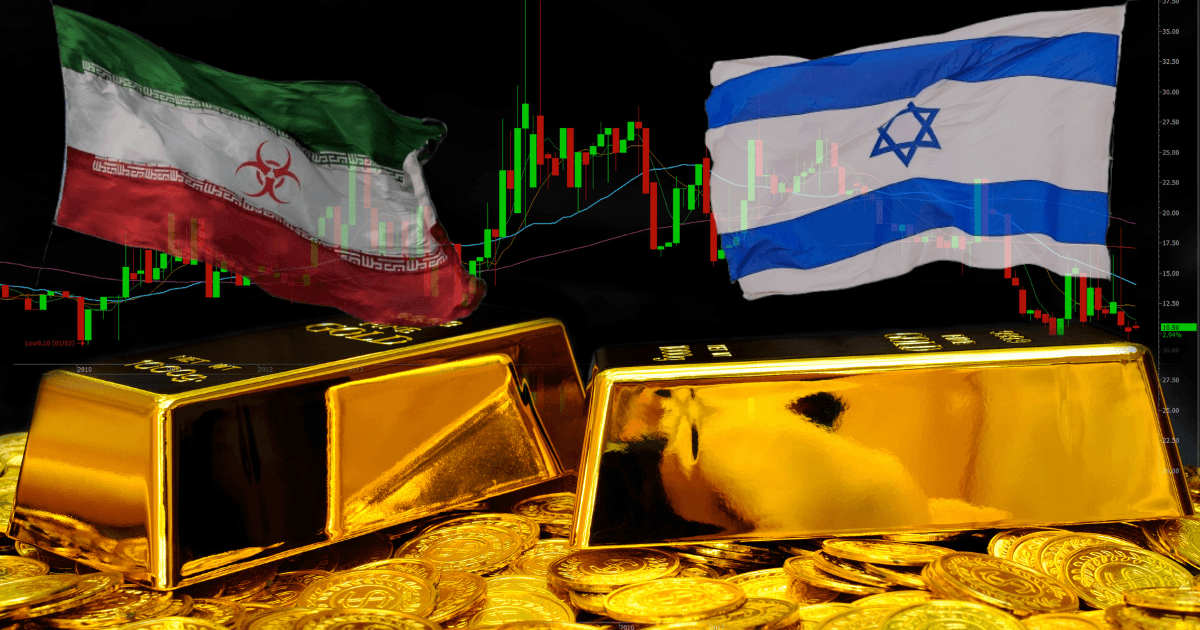
Gold, traditionally the premier safe-haven asset, has experienced extreme volatility as investors weigh geopolitical risk against a strengthening U.S. dollar and shifting capital toward energy.
- Unexpected Slump: Despite high safe-haven demand, spot gold (XAUUSD) tumbled 2.7% on March 9, hitting a low of $5,030.
- Capital Shift: The decline is primarily attributed to a massive shift in capital toward oil markets, which currently offer more perceived potential due to extreme supply imbalances.
- Support Levels: Gold is currently testing a key psychological support level at $5,000.
- Long-Term Drivers: Massive, ongoing central bank purchases—led by the U.S. and emerging markets—continue to provide structural support for the metal's long-term bullish outlook.
3. Global Markets & Economic Outlook
The conflict has triggered a severe "risk-off" environment, leading to massive sell-offs in major equity markets.
- Equities Plunge: On Monday morning, Japan’s Nikkei 225 tumbled more than 6% to 7%, while South Korea’s KOSPI plunged over 8%. Hong Kong’s Hang Seng fell by nearly 3%.
- Stagflation Risk: Economists have warned that a prolonged conflict could trigger global stagflation—a combination of stagnant growth and high inflation—driven by spiking fuel and transport costs.
- Aviation Disruption: The closure of Gulf airspace is currently disrupting vital aviation routes between Europe and Asia.
Strategic Action: Trade and Hedge the Volatility
In this "new paradigm," sitting on the sidelines can be as risky as active trading. Take control of your portfolio by participating in our live markets:
• Hedge Oil Price Spikes: As prices flirt with historic peaks, secure your position against further surges or potential rapid pullbacks.
CL 12-Hourly Market
• Trade the Gold Support: With gold testing the critical $5,000 mark, use our 3-hourly markets to trade the rebound or protect against a further break lower.
Gold 3-Hourly Market
• Protect Your Equity Portfolio: Hedge your tech and growth stocks against the ongoing stagflation threat and rising energy costs.
NQ 3-Hourly Market
CFD Hedging Calculator for Gold, Forex & Stocks
Protect your trading positions from volatility with our advanced CFD hedging tool. Designed for traders in Nigeria, Kenya, India, and the Philippines, this calculator helps you manage risk for GOLD, NASDAQ, EURUSD, and USDJPY trades using high-leverage event contracts.
Your CFD Position
Enter your CFD position details to find hedging recommendations
CFD Position Summary
No Markets Available
Advanced Risk Management
How Financial Hedging Works
- Enter your CFD details: ticker (e.g., XAUUSD), direction, entry price, and stop loss.
- The calculator identifies event contracts that best suits your stop-loss level.
- By allocating a small budget (Preferably 20% of your SL), you create a stop-loss protection layer.
- If the market moves against you and hits your SL, the hedging contract price increases thus upon exit, mitigating your Forex loss.
Frequently Asked Questions
What is the benefit of hedging a CFD?
Hedging allows you to stay in the market longer or minimise losses if your stop loss is hit. It effectively turns a binary loss into a managed risk.
Which tickers can I hedge?
Predicta Markets supports major global tickers including Gold (XAUUSD),Oil (CL1!), Nasdaq (NQ1!), and major Forex pairs like USDJPY.
How do event contracts pay out?
Contracts are priced between 0¢ and 100¢. If the event occurs (e.g., price expires below your SL), the contract pays out a full $1.00, providing high-leverage compensation.